

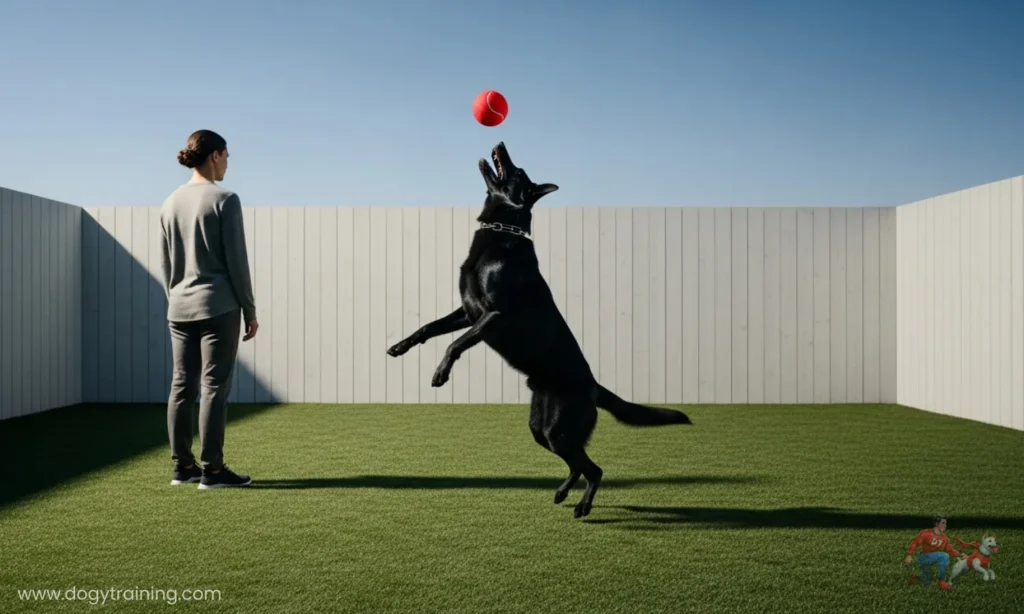

Teaching your dog to fetch means training your dog to run to a toy, pick it up, and bring it back to you.
This skill looks simple, but it is actually made up of many small steps. Each step helps your dog understand the game better. Some dogs already like to chase toys. Some dogs do not understand toys at all. Both types can learn to fetch with the right training.
This guide takes you from absolute beginner level to advanced fetch skills, using simple steps and real-life examples so you always know what to do next.
key takeaways
- Fetch is built through small, gentle steps, not one fast lesson.
- Every dog can learn fetch with patience, even if they ignore toys at first.
- Short daily practice builds stronger and safer results than long sessions.
- Most fetch problems come from reward timing, not bad behavior.
- Fetch training must change based on age, strength, and confidence level.
- Safe, calm play builds focus, trust, fitness, and a lifelong bond with your dog.
Why Some Dogs Understand Fetch Fast, and Others Do Not
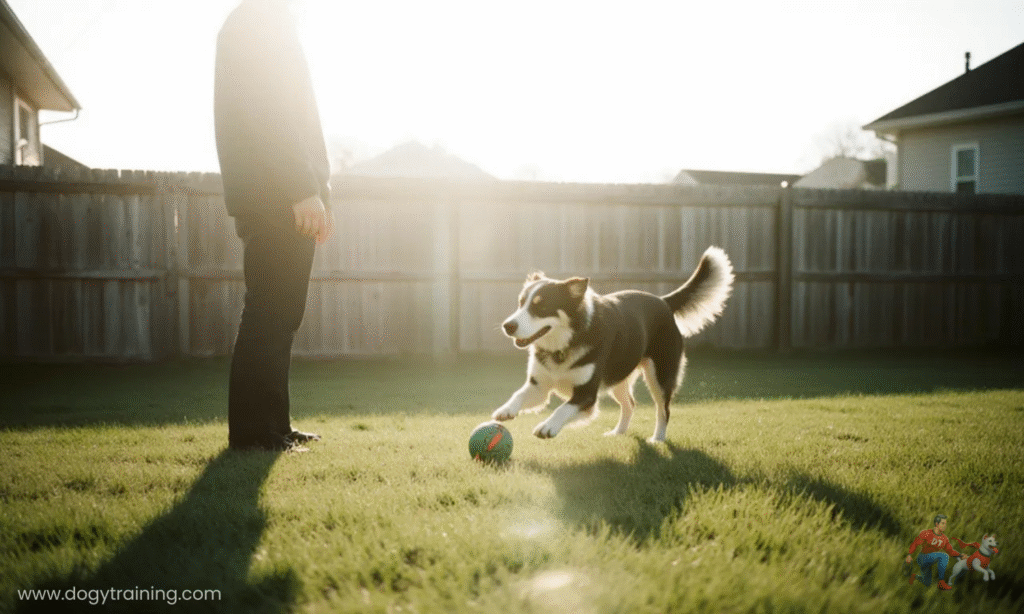
Some dogs were born to carry things in their mouth. These dogs learn fetch very fast. Other dogs were born for guarding, relaxing, or hunting by smell. These dogs may not understand fetch at first.
Some dogs played with toys as puppies. These dogs enjoy fetch quickly. Some dogs had never played with toys before. These dogs need more time. All of this is normal. Every dog learns at their own speed.
What You Need Before You Start
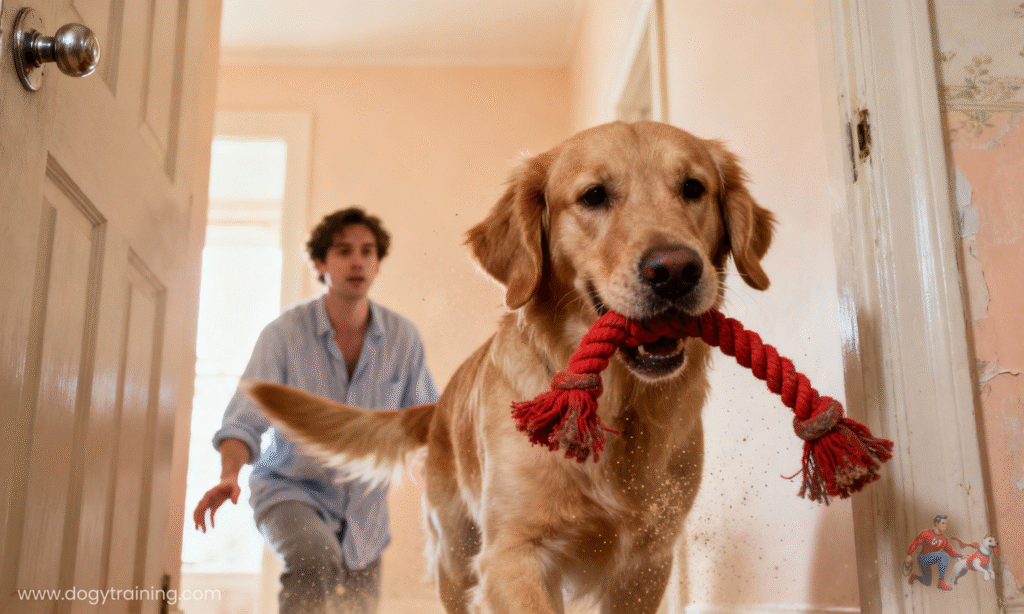
You only need a few things to start training. You need one toy that your dog likes. You need small tasty treats. You need a quiet space inside your home. You also need a short training time.
Short training is very important. Five minutes is better than one long hour. Short training keeps your dog happy. Happy dogs learn faster.
Beginner Level: First Steps
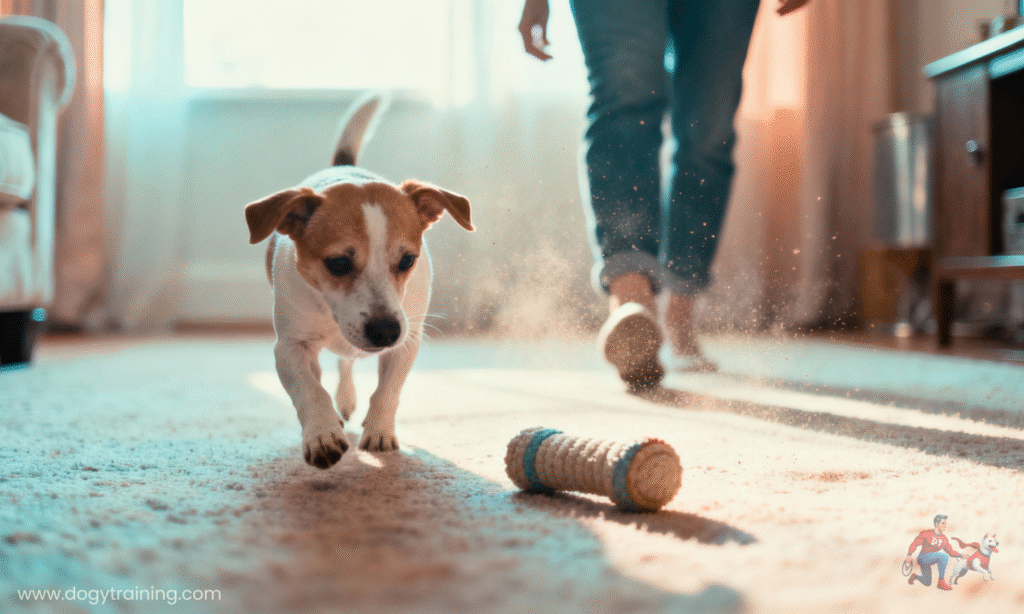
At this level, your dog is only learning what a toy is and why it matters. These steps build interest and confidence in a very gentle way. Rushing here will only slow the training later.
Step 1: Help Your Dog Like the Toy
Before throwing the toy, your dog must like the toy. First, put the toy on the floor near your dog. Let your dog see the toy. Let your dog smell the toy. When your dog looks at the toy, praise gently. When your dog moves closer, give a small treat.
Now move the toy slowly on the floor. Let it slide like a little animal. This makes the toy look alive. When your dog follows it, praise again. This teaches your dog that the toy is fun.
Step 2: Teach Your Dog to Pick Up the Toy
After your dog likes the toy, your dog must learn to pick it up. Put the toy on the floor again. Wait quietly. When your dog touches it with its nose, reward. Wait again. When your dog opens its mouth near the toy, reward it again.
Soon, your dog will pick up the toy. When that happens, praise a lot and give a treat. This tells your dog that picking up the toy is the right thing.
Step 3: Teach the First Tiny Fetch
Now your dog knows the toy and can hold it. Now gently roll the toy just one or two feet away. Let your dog go to the toy. Let your dog pick it up.
Now slowly step backward. When your dog follows you even one step, reward immediately. This teaches your dog that coming back to you is part of the game.
Intermediate level: Full Fetch Skill
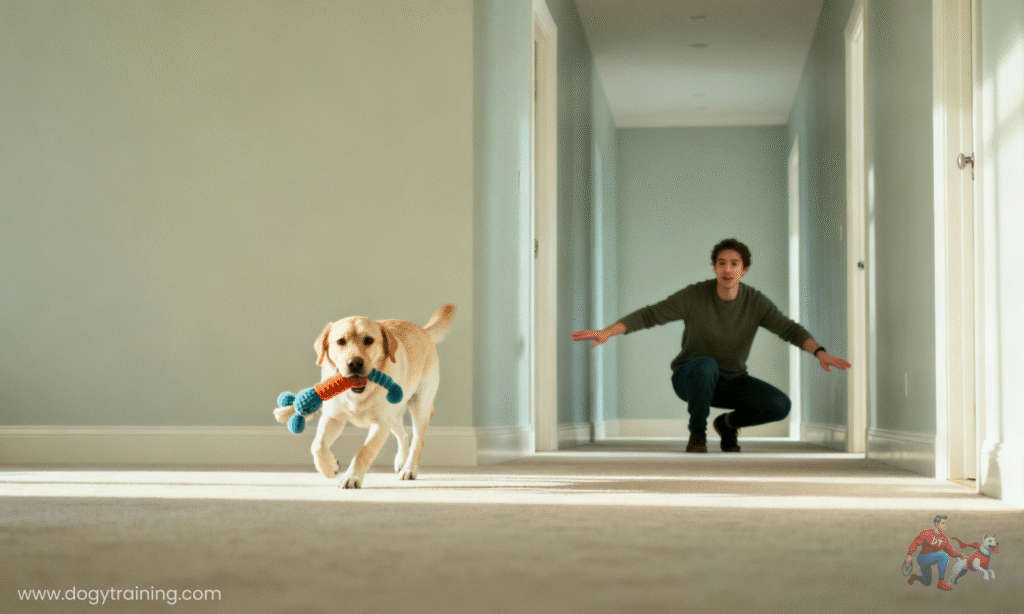
Now your dog understands the toy and can hold it. At this level, your dog learns that fetch is more than running. Your dog now learns to return and release, which also supports better control in other behaviors like pulling on the leash during walks.
Step 4: Teach Your Dog to Bring the Toy Back
Some dogs run away with the toy. This happens because running feels fun. To fix this, always move backward when your dog picks up the toy.
When you move backward, your dog follows you. When your dog follows you, reward. When your dog drops the toy near you, reward again. This teaches your dog that coming back is always better than running away.
Step 5: Teach Your Dog to Drop the Toy
Now your dog must learn to let go of the toy. Hold your open hand near the toy. Say “drop it” in a calm voice. When your dog lets go, reward right away.
At first, you may show a treat. Later, you remove the treat. This teaches your dog to drop the toy without needing food every time.
Step 6: Slowly Make the Throw Longer
Now your dog understands the full game. Now you can throw the toy a little farther. The first throw is only a few steps away. When your dog brings it back, reward.
Then throw a little farther again. Each time your dog succeeds, reward. If your dog fails, make the throw shorter again. This keeps learning smooth and stress-free.
Advanced Level: Fetch In Real Life
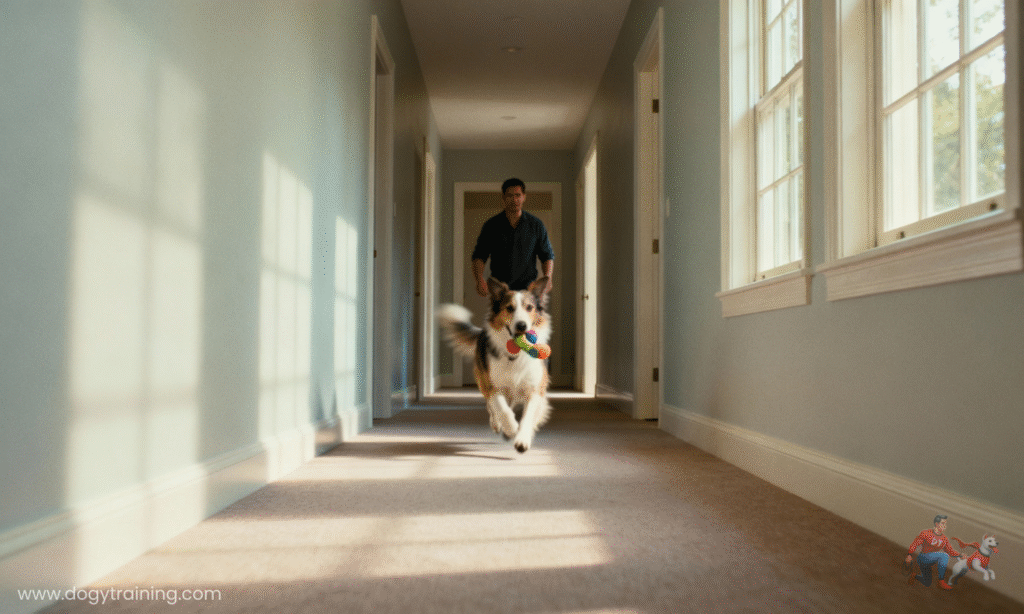
At this level, your dog already understands fetch clearly. Now the skill becomes stronger and more reliable. This is where true fetch behavior is formed, even for a Reactive Dog that needs calm, controlled practice.
Step 7: Teach Fetch Outside
Now your dog can fetch inside. Now it is time to go outside. Start in a quiet fenced yard. Use the same short throws again.
Outside has many smells and sounds. These distractions make training harder. This is why you must start slow again. When your dog succeeds outside, reward well.
Step 8: For Dogs That Do Not Like Toys or Treats
Some dogs do not care about toys. Some dogs do not care about treats. These dogs can still learn fetch.
For these dogs, use praise, petting, and a happy voice as rewards. You can also use special moving toys that bounce or squeak. These toys awaken your dog’s interest.
Step 9: Advanced Fetch Skills
After your dog masters normal fetch, you can teach harder games. You can teach your dog to fetch hidden toys. You can teach your dog to fetch by smell. You can teach your dog to fetch different toys by name.
These advanced games make your dog smarter and calmer.
Fetch Training by Age
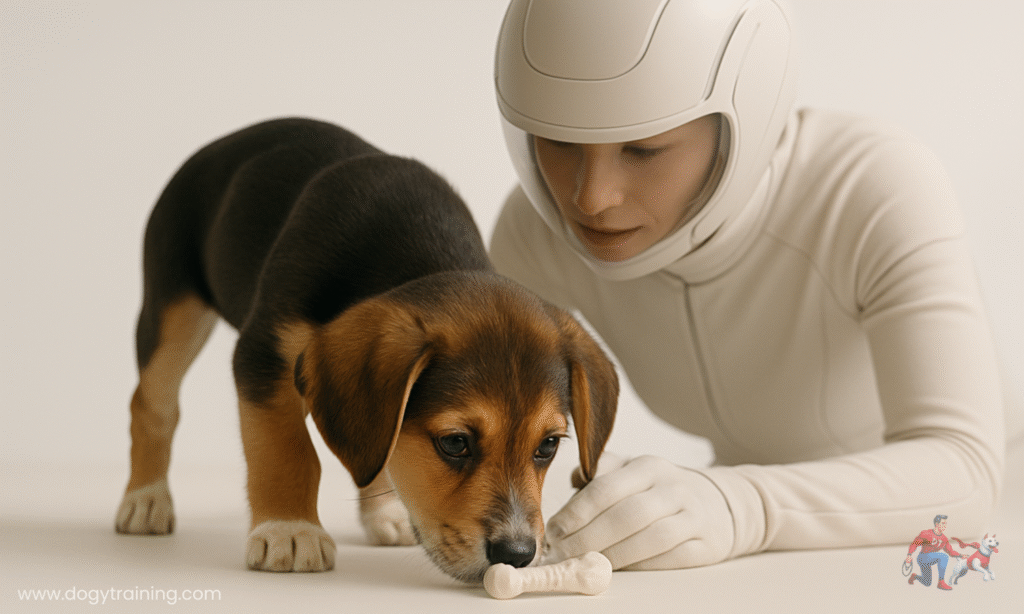
Every dog learns fetch differently based on age and body strength. A young body grows fast, an adult body learns through trust, and an older body needs gentle care. Reading the right section for your dog’s age will help you train safely and correctly.
Puppy fetch training
Puppy fetch training should always begin on soft ground like grass or carpet during Puppy Training, so the tiny joints stay protected. Throws should stay very low so the puppy does not jump or lose balance. The game should be very short so the puppy does not get tired too fast. This helps the puppy enjoy fetch without hurting its body.
Adult rescue dog fetch training
Adult rescue dog fetch training should start by building confidence before teaching the full game. Many rescue dogs feel unsure at first, so they must first learn to enjoy the toy near you. Fetch should begin only after the dog feels safe and relaxed. Calm words and gentle praise help trust grow faster.
Senior dog fetch training
Senior dog fetch training should always stay slow and soft so the body stays safe from strain. Only soft and light toys should be used to protect the mouth and neck. Throws must stay very short so the dog does not need to run hard. The game should stop as soon as the dog looks tired to avoid pain later.
Important: Fetch Safety Rules
Fetch is fun, but wrong play can hurt your dog. These simple safety rules protect your dog’s body, mind, and health every time you play.
- Never throw the toy too hard, because a strong throw can twist your dog’s body and hurt the neck, back, or legs.
- Never force your dog to fetch, because fear and pressure break trust and stop learning.
- Never play fetch in extreme heat, because dogs overheat fast and can get heat stroke.
- Never play nonstop without breaks, because tired muscles and joints can get injured.
- Never make your dog jump high for the toy, because jumping puts heavy stress on the hips and knees.
- Never play on rough or hot ground, because sharp or hot surfaces damage paws.
- Never ignore tired signs, like slow running, heavy breathing, or lying down.
- Never forget to give clean water after fetch, because running makes dogs thirsty very fast.
Conclusion
Training your dog to fetch is a slow and happy process that grows with patience and short daily practice. Your dog first learns to like the toy, then to pick it up, and then to bring it back.
Safety rules keep your dog healthy and calm while playing. If your dog loves fetch, it builds strong focus and bonding. If not, other games can give the same joy and exercise. Every safe game builds trust, confidence, happiness, and a lifelong connection.
FAQs
You should practice fetch once or twice daily for only five to ten minutes. Short sessions keep your dog happy and help learning happen faster without stress.
Yes, puppies can learn fetch safely if played on soft ground with very short throws. Puppy Training should always protect growing joints and avoid jumping.
This means your dog finds running more fun than returning. Walking backward, staying calm, and rewarding only full returns will fix this habit.
Yes, fetch helps a Reactive Dog release energy in a controlled way. It builds focus, reduces stress, and improves calm behavior when trained slowly.
Yes, fetch improves focus, impulse control, and recall. These skills support better walking behavior and reduce pull-on-leash issues over time.
