


Training your dog to walk calmly on a leash makes every walk easier, safer, and far more enjoyable. Many dogs pull because they are excited, curious, or unsure of what to do, but this can change with the right steps.
This guide on How to Train a Dog Not to Pull on Leash gives you simple instructions that beginners can follow without confusion. You can even pair these steps with helpful training apps to track progress and stay consistent.
Follow the full guide to see steady improvement in your dog’s walking behavior.
Key Takeaways
- Starting the walk calmly helps your dog stay relaxed and reduces early pulling.
- Using a safe no-pull harness and a basic leash supports smooth and controlled training.
- Rewarding your dog for walking beside you teaches them the correct walking position.
- Keeping a steady pace and giving short sniff breaks helps your dog stay focused.
- Short off-leash practice builds good walking habits before adding leash pressure.
- Consistent training every day prevents mixed signals and speeds up learning.
- Avoid harsh tools and pulling back, as gentle guidance and patience create lasting results.
Step-by-Step Guide to Train a Dog Not to Pull on Leash
Teaching loose-leash walking becomes easier when you follow a simple and steady plan. This step-by-step guide helps your dog learn at a calm pace so they understand what you expect. Begin with small steps, short walks, and gentle guidance. By going through each step one by one, you will see your dog slowly stop pulling and start walking beside you with ease.
Step 1. Calm Start Before the Walk
A peaceful walk begins before you even open the door. Help your dog relax before putting on the harness or leash.
If your dog jumps or becomes too excited, pause and wait until they settle down. Reward calm behavior with a soft “good” or a small treat. Start walking only when your dog is relaxed enough to listen.
This teaches them that calmness leads to walking. Beginning the walk calmly also prevents pulling from the very start because your dog learns that excitement does not get them anywhere. A slow, steady start leads to better control later.
Step 2. Choose Equipment That Is Comfortable and Safe
Comfortable equipment makes training easier for both you and your dog. Use a soft, well-fitted harness that supports your dog’s chest instead of putting pressure on the neck. This type of gentle setup is commonly used in service dog training, where comfort and control are equally important.
Avoid tight or painful tools because they create stress and make pulling worse. A simple, sturdy leash works best. When your dog feels comfortable, they naturally walk more calmly and stay more focused on you.
Step 3. Reward Your Dog When They Are by Your Side
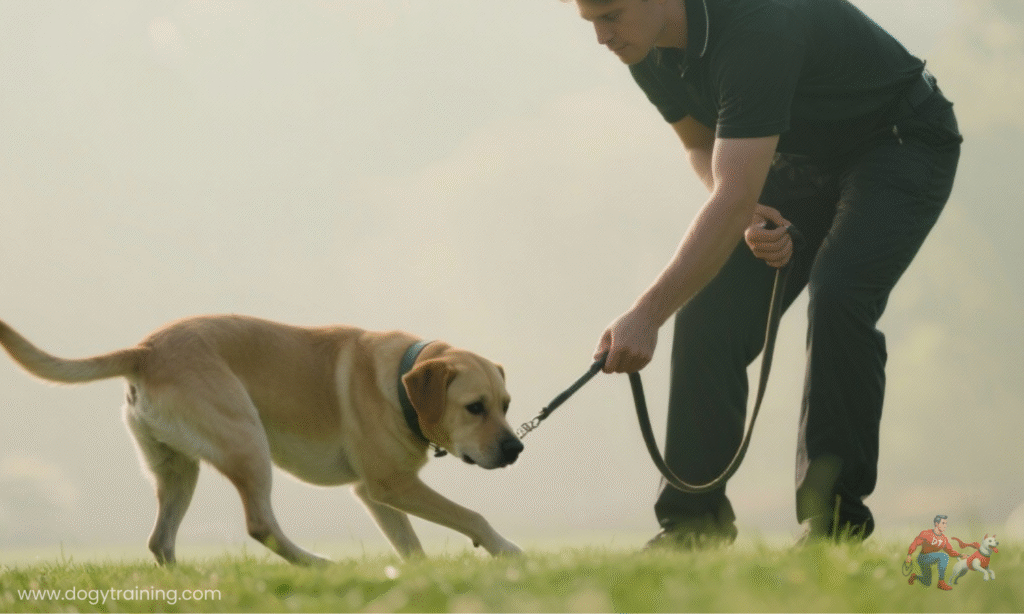
Dogs repeat behaviors that bring good things, so reward your dog every time they walk beside you.
Give small treats or use a happy voice when they stay near your left or right side. Keep the reward timing quick so your dog clearly understands what behavior earned it. This shows them that walking close to you is the “right place to be.” It also shifts their attention from the environment back to you.
Over time, your dog will stay close because it feels rewarding, not because the leash is holding them back.
Step 4. Walk at a Good Pace
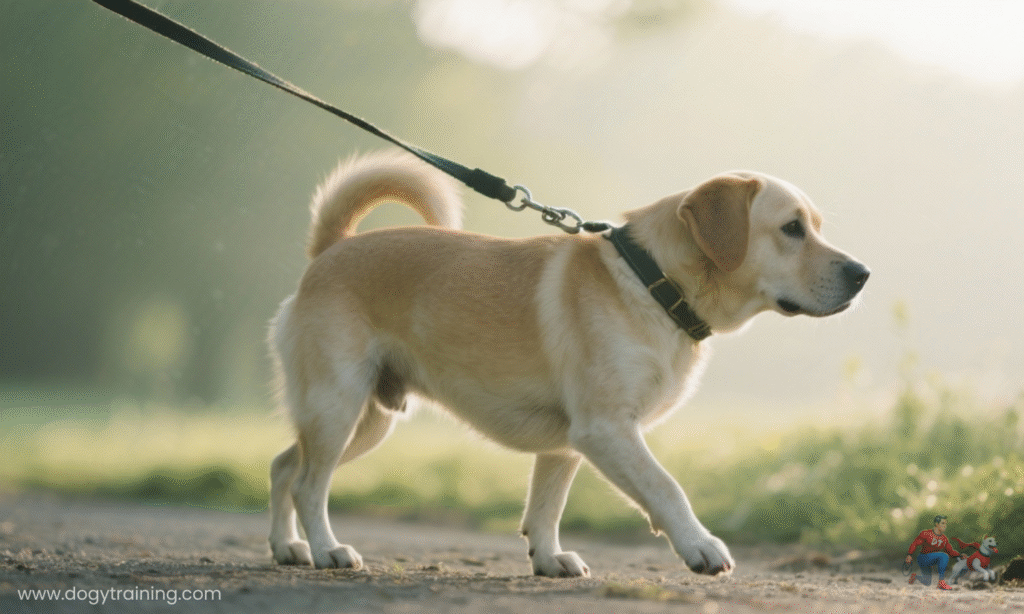
Walking at the right speed keeps your dog focused and reduces pulling. Walk too slowly, and your dog may start dragging you forward.
Walking too fast, and they may get overstimulated. Choose a steady pace that matches your dog’s natural movement. If your dog starts to move too far ahead, slow down or stop for a moment. When they return to your side, continue walking again. This teaches your dog that staying with you keeps the walk moving.
A consistent pace helps your dog settle and respond better during the entire walk.
Step 5. Practice Without a Leash First
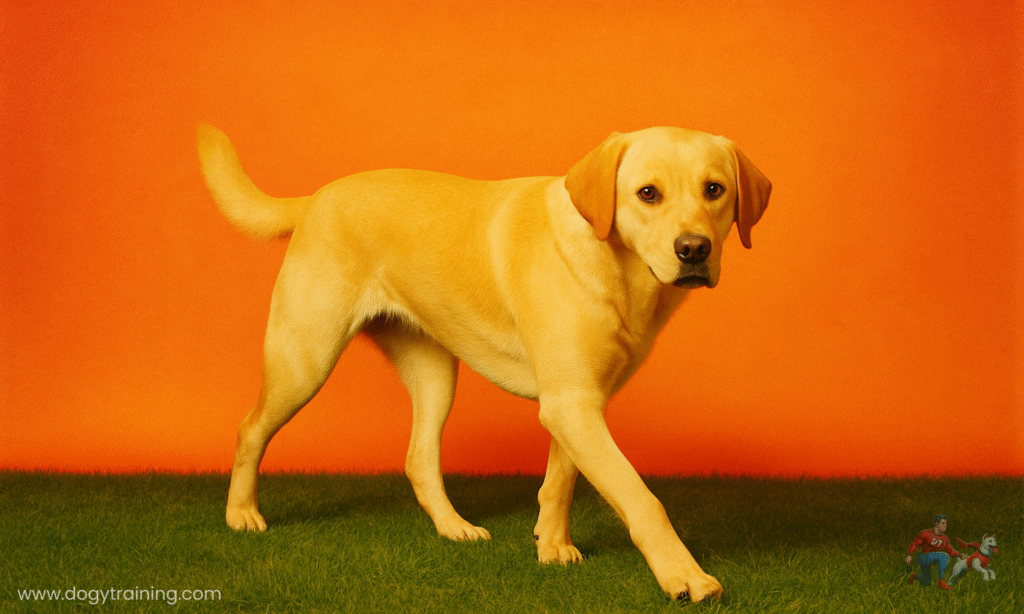
Start training in a quiet room or backyard without a leash. Walk a few steps and reward your dog for following you closely. This off-leash practice is also helpful during puppy training because young dogs learn faster when there is no pressure or tension.
Without the leash, your dog learns the walking pattern in a calm way and understands how to stay close and follow your movement. Once they follow well in a safe area, add the leash again and continue practicing.
This simple step makes later leash training much easier because your dog already understands the main behavior before the leash is introduced.
Step 6. Keep Training Sessions Short
Short sessions help your dog stay focused and prevent frustration. A 3–5 minute training session is enough in the beginning. Take small breaks and keep the mood light and positive.
If your dog gets tired or distracted, pause the session and try again later. Short, consistent training works better than long, tiring sessions. Ending on a good note keeps your dog motivated to try again the next time.
Best Tools to Train a Dog Not to Pull on Leash
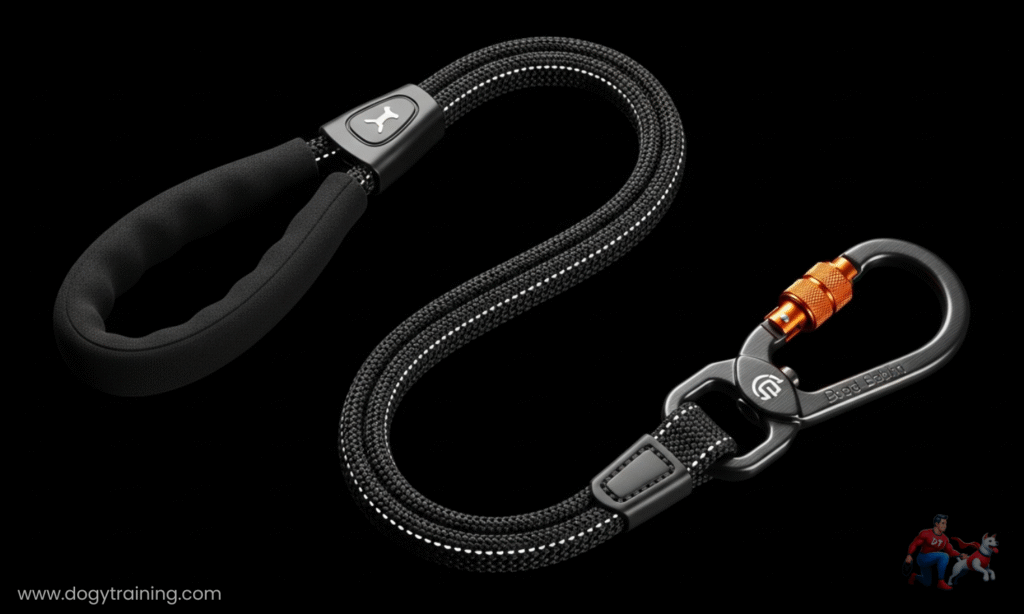
Before you start training, the right tools can make your walk much smoother and easier. These simple tools give you control, comfort, and clear communication so your dog learns faster.
1. No-Pull Harness
This tool gives gentle control without hurting your dog, making training safer and easier. If you want quicker results with less stress, this harness is the best place to start.
A front-clip no-pull harness guides your dog from the chest, which naturally reduces pulling. It spreads pressure across the body instead of the neck, keeping your dog comfortable during walks. This harness helps you have better control, even if your dog gets excited or distracted.
2. Standard Leash (4–6 feet)
A basic leash keeps your dog close enough to pay attention while still feeling comfortable. It helps you give clear signals so your dog understands what you want.
A standard 4–6 foot leash prevents your dog from moving too far ahead, which stops pulling early. Its steady length makes training simple because your dog always knows where they should be.
It also avoids the problems caused by retractable leashes, which encourage pulling and rushing.
3. Treat Pouch
Rewards need to be quick, and a treat pouch keeps everything ready while you walk. It makes training easier because you never have to search for treats. A treat pouch sits at your waist, allowing fast rewards at the right moment.
This helps your dog connect the reward with the correct behavior instantly. It also keeps your hands free, so you can focus on walking calmly and safely.
4. Clicker
A clicker creates a clear sound that marks the exact moment your dog gets it right. This tool helps them learn faster by removing confusion. When you click at the right moment, your dog knows exactly which behavior earned the reward.
The sound is always the same, making learning clearer and more consistent. It is especially helpful for teaching your dog to stay close, stop pulling, and follow your movements.
Productive Tips to Train a Dog Not to Pull on Leash
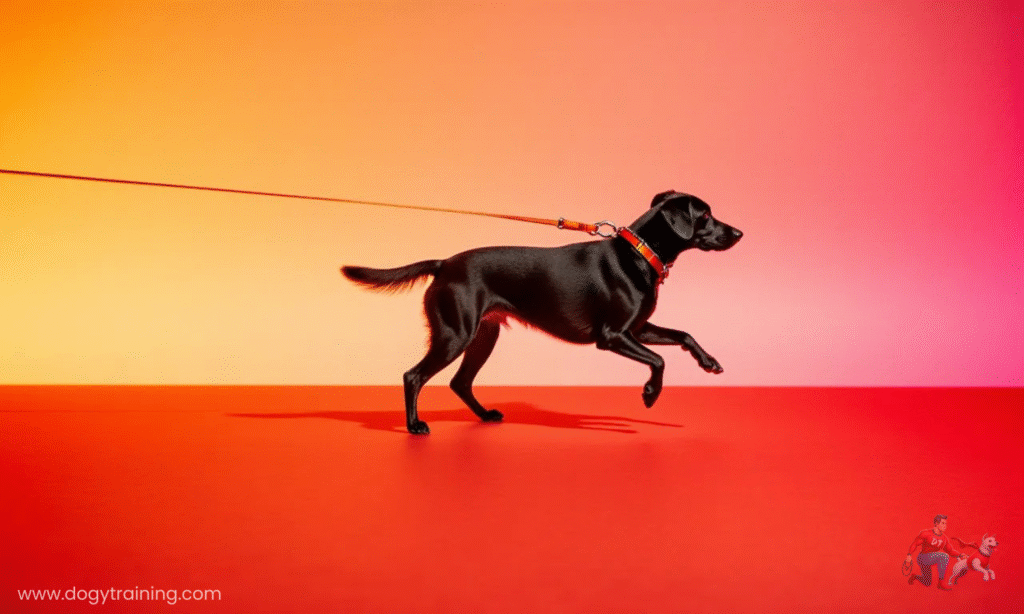
Training your dog to stop pulling becomes much easier when you follow a few smart habits. These practical tips keep your dog focused, calm, and ready to learn, making every walk smoother and more enjoyable.
- Begin in a Low-Distraction Space: Start practicing in your home or yard so your dog can learn without getting overwhelmed by noises or other animals.
- Use Short, Focused Training Walks: Keep early sessions brief. Short walks prevent frustration and help your dog stay alert and willing to follow your lead.
- Allow Calm Sniff Breaks: Give your dog small sniffing moments as a reward. Sniffing naturally relaxes dogs and reduces the urge to pull ahead.
- Reward Good Behavior Right Away: Whenever your dog walks nicely beside you, reward immediately. Fast feedback helps your dog understand what earns praise.
- Stick to the Same Rules Daily: Be consistent. If one day you allow pulling and the next day you stop it, your dog will get confused, and progress will slow down.
- Stay Relaxed and Patient: Your dog can feel your emotions. Keep a positive attitude, move slowly, and celebrate small wins to build steady progress.
Before You Start: What Not to Do
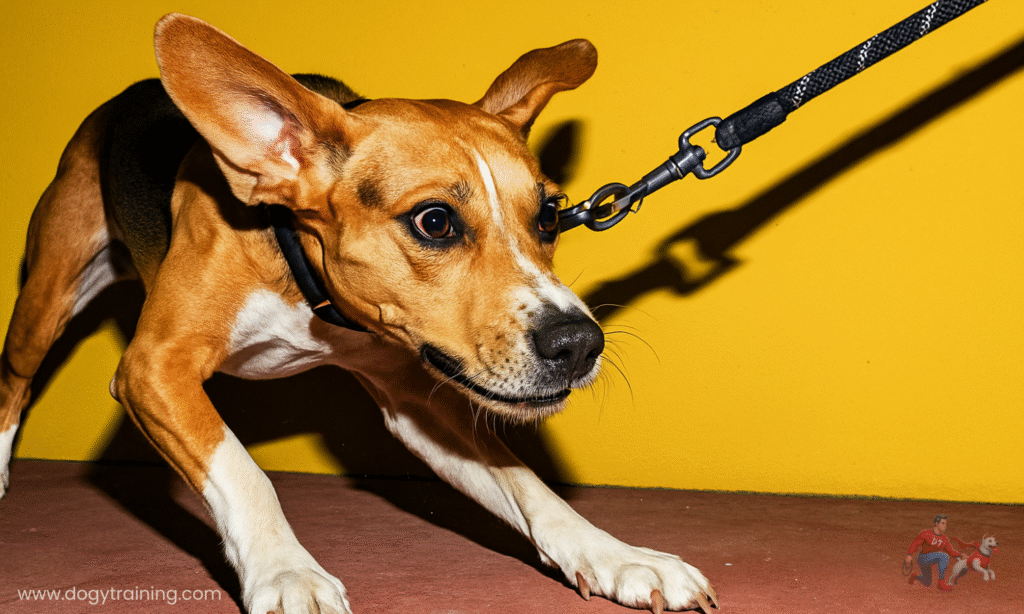
Before beginning leash training, it’s important to avoid habits that can confuse or scare your dog. Many owners do certain things without realizing they actually make pulling worse. Staying calm, gentle, and consistent helps your dog learn faster and keeps your walks safe. Use this short list as your “do not do” guide so you can start training on the right path.
- Do not let your dog drag you – this teaches them that pulling works.
- Do not pull back hard – strong yanking can hurt and create fear.
- Do not get angry or shout – loud reactions increase stress and excitement.
- Do not use painful tools – prong collars or choke chains can cause injury.
- Do not walk forward when your dog pulls – moving ahead rewards the pulling.
Conclusion
Training a dog not to pull on the leash takes patience, calm steps, and the right tools. This guide showed you how to begin with a peaceful start, choose safe gear, reward good walking, and practice in simple ways that help your dog understand. These same gentle methods also work when you train a reactive dog, as they need slow, steady guidance to feel safe and focused.
Short sessions, steady pacing, and gentle direction create real progress. Avoid harsh tools or reactions, and never move forward when your dog pulls.
With time and consistency, every walk becomes smoother, safer, and more enjoyable for both of you.
FAQs
Training time depends on your dog’s age, energy, and past habits. Most dogs show improvement within a few weeks when training is consistent and calm.
Dogs pull because they’re excited, curious, or moving faster than us. Some also pull from habit or because they were never taught loose-leash walking.
Yes. Stopping teaches your dog that pulling gets them nowhere. Over time, they learn that only a loose leash allows the walk to continue.
Treats aren’t required forever, but they help in the beginning. Rewards make it easier for your dog to understand the behavior you want.
A comfortable no-pull harness usually gives more control and reduces strain on your dog’s neck. It’s safer and easier for training than a standard collar.
