

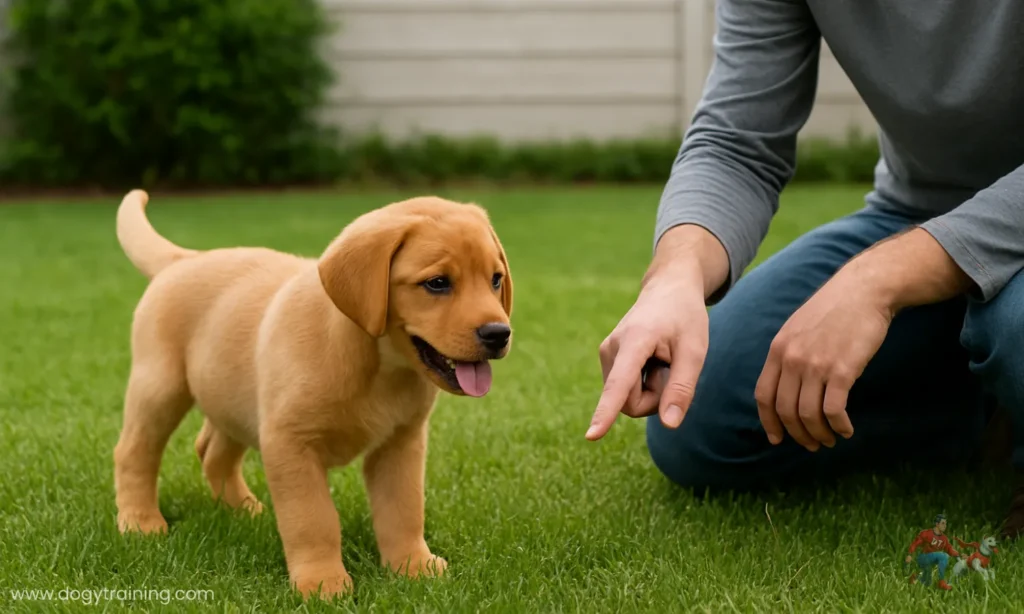

One of the first responsibilities every dog owner faces, and the process often raises questions about timing and realistic expectations, is Potty training. Many owners hope for fast results but often do not fully understand the stages a dog goes through while learning control, routine, and habits.
Training success depends on patience, consistency and structure, and each dog progresses at a different pace based on age, routine, and environment.
This guide explains how long it usually takes to potty train a dog and how you can support steady progress.
How Training Time Changes With Age
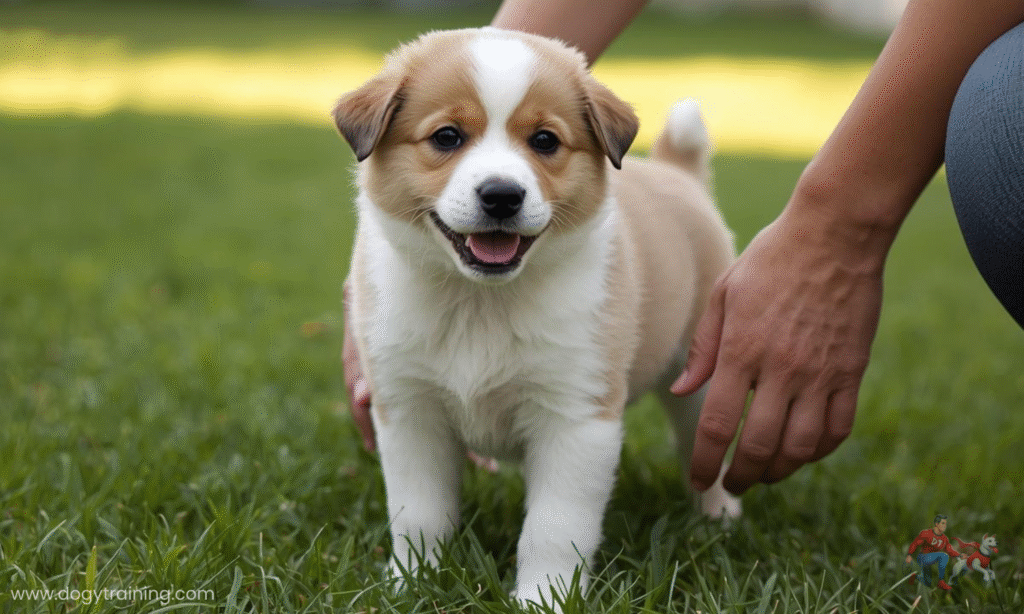
Training time is different for puppies and adult dogs because they learn and adjust at different speeds.
Puppies need more time to understand control, while adult dogs may already know some basic habits. Many puppies start improving in a few weeks, but need more months to become fully reliable.
Adult dogs may move faster when they feel safe and follow a clear routine. Knowing these age differences helps you plan better and train your dog with patience.
Puppy Learning Timeline
Puppies need a steady routine because they are still growing and cannot hold their bladder for long. They learn step by step once they see the same daily pattern.
When you potty train your puppy, repeated trips outside help them learn where to go. Puppies slowly gain control as their body develops. Gentle teaching and regular breaks help them follow the routine.
Adult Dog Learning Timeline
Adult dogs often learn faster because they already understand some basic rules of living with people. They respond well when the routine is clear and easy to follow.
Some dogs may take extra time if they have had an unstable past and need reassurance. With regular practice, they slowly replace old habits with better ones. Many adult dogs show progress within a short period.
How Long Does It Take to Potty Train a Dog
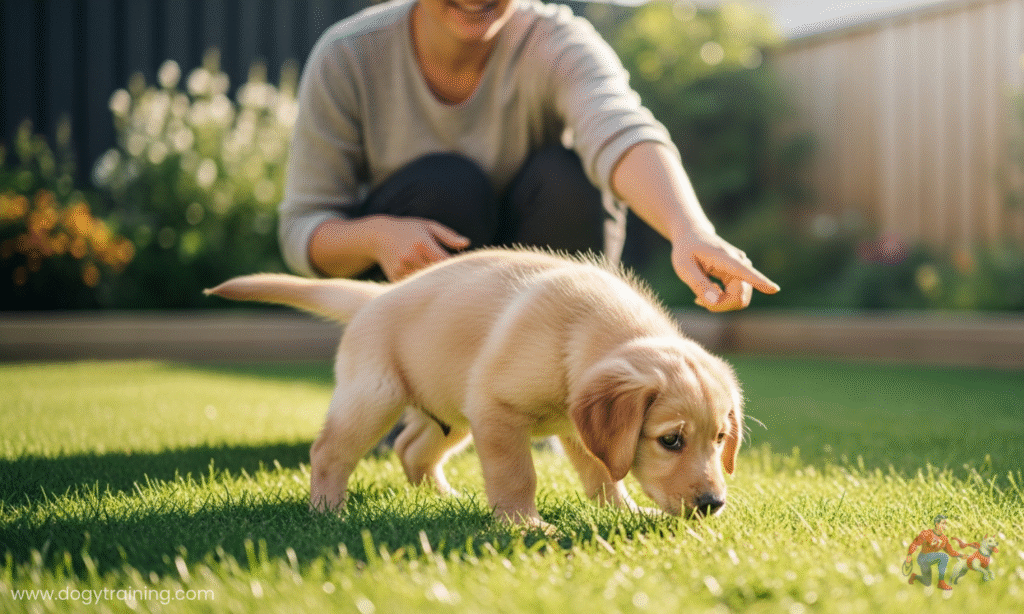
Most dogs need 2 to 6 months to learn proper potty habits. Some learn faster, and some take longer. Puppies learn quickly because they are starting fresh, but older dogs or rescue dogs may take more time because they need to change old habits.
Your dog will learn faster if you follow the same routine every day, give rewards at the right time, and stay calm during mistakes. When you understand what affects the training time, it becomes easier to guide your dog.
Daily Routine Consistency
Small dogs often take 8 to 12 weeks to learn because they cannot hold their pee for long. Very tiny breeds may need 3 to 4 months.
Bigger dogs usually learn in 4 to 8 weeks since their bladder develops faster. When you follow a schedule that suits your dog’s size, training becomes smoother and less confusing.
Daily Routine Consistency
Dogs learn much faster when their day follows the same pattern. If feeding times and potty breaks stay the same every day, many dogs show good progress in 2 to 4 weeks.
A steady routine helps them understand when it’s time to go outside. But if the routine keeps changing, training can take several extra weeks.
Health and Wellness Factors
Healthy dogs usually learn within 4 to 8 weeks. But if your dog has stomach problems, stress, or a urinary issue, they may take longer because they cannot control their body well.
If your dog continues to have accidents despite good training, a vet check may be helpful. Once health issues are treated, training often improves quickly.
Steps to Potty Train a Dog Faster
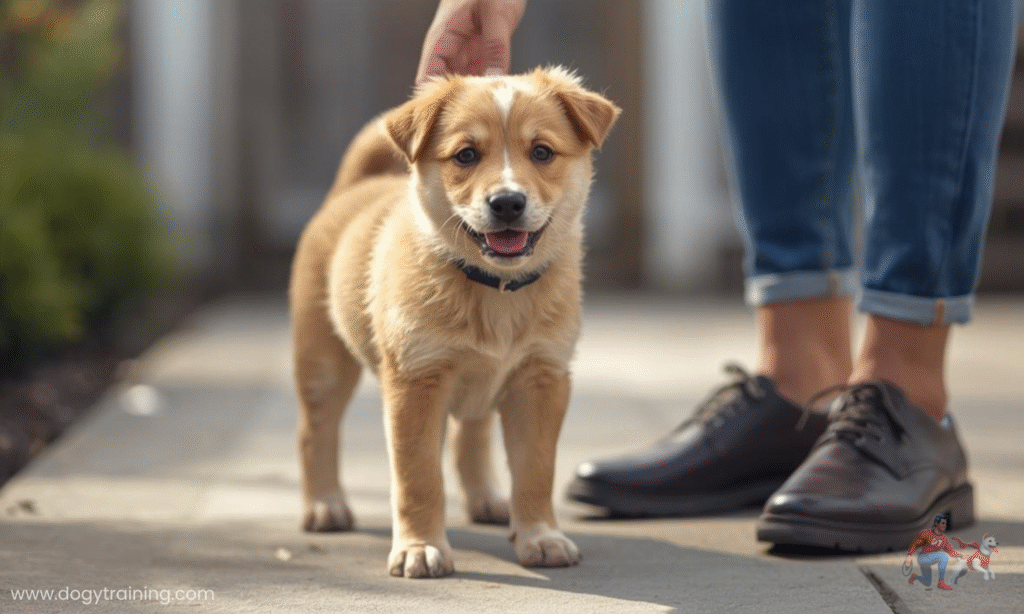
A few simple steps can improve training results and help your dog form habits more quickly. These steps work well for both puppies and adult dogs. By following them each day, you create a clear pathway for your dog to understand what you expect.
- Build a Steady Daily Schedule
A stable schedule helps your dog learn when it is time to go outside. Regular timing helps them build a natural pattern. The more predictable the routine, the easier it becomes for your dog to follow.
Dogs often feel safer when their daily routine remains the same. This makes training quicker and smoother.
- Use a Dedicated Outdoor Spot
Taking your dog to the same area each time helps them recognise it as the right place. A familiar spot helps reduce confusion.
Your dog becomes more comfortable in that area over time. Familiar scents guide them to the right behaviour. This makes the routine easier to learn.
- Reward Quickly After Success
Quick rewards help your dog understand they did the right thing. Dogs repeat actions that bring positive results.
Praise or a small treat builds encouragement. This makes them more willing to follow the routine. Rewards also strengthen your bond.
Indoor Supervision and Prevention
Staying aware of your dog indoors helps prevent unexpected accidents. Keeping your dog near you helps you guide them right away.
Closed paths or small spaces help them feel safe. When your dog stays close, it is easier to see signs early. This helps avoid confusion during training.
Mistakes That Slow Down Potty Training Progress
Some simple mistakes can delay training and make the process longer. Avoiding these mistakes makes learning easier and reduces stress for both you and your dog.
Being aware of them helps your dog form stronger habits.
Inconsistent Training Habits
Irregular timing makes it hard for your dog to follow the routine. Changing schedules leads to confusion. Sticking to a simple pattern keeps your dog focused.
A stable routine builds confidence. Small steps repeated daily help your dog learn faster.
Not Cleaning Indoor Accidents Properly
Leaving any smell behind can confuse your dog. They might return to the same spot if the scent stays. Proper cleaning stops this from happening. It keeps the space fresh and clear. A clean home supports better habits.
Apartment Friendly Potty Training Tips
Apartment training can feel challenging, but a few organised steps make it very manageable. Even with limited space, your dog can learn a strong routine.
Consistent habits and calm guidance help your dog adjust. Once the pattern becomes familiar, they follow it with ease.
Additional House Potty Training Tips
- Keep short training sessions to avoid stress
- Give gentle praise at the door to build excitement
- Use simple words during each outdoor trip
- Keep pathways clear for quick exits
- Maintain calm behaviour while moving through hallways
Conclusion
Training becomes easier when you stay calm, structured and patient. You can potty train a dog successfully by keeping a steady routine, offering quick rewards and guiding your dog with simple steps.
Whether you want to potty train your puppy or work with an adult dog, consistency makes the biggest difference. Clear habits help your dog feel safe and understand what you expect. With time and care, your dog will learn reliable bathroom behaviour.
FAQs
Most dogs need a break every 2 to 3 hours, especially puppies. Frequent outdoor trips help them learn the right spot faster.
Yes, older dogs may take more time because they already follow old habits. With a steady routine, they still learn well over a few extra weeks.
Stay patient and clean the area fully to remove the smell. Add more outdoor breaks and reward good behaviour outside.
Yes, treats motivate dogs when given immediately after they go outside. This helps them connect the action with the reward.
A dog is trained when they stays accident-free for several weeks. They should also clearly show signs when they need to go out.
Yes, nighttime needs fewer breaks, but puppies may still need one or two trips. As they grow, they can hold their bladder longer.
