



Border Collie puppies are intelligent, energetic, and naturally eager to learn. Because of their high drive and quick thinking, they need a structured training plan that teaches manners, builds good habits, and channels energy into productive skills.
This guide explains everything you need to raise a well-behaved Border Collie puppy, including age-based milestones, daily routines, training principles, and solutions to common problems. By following these steps, you can help your puppy develop confidence, calmness, and reliable obedience.
Key Takeaways
- Border Collie puppies need structured, consistent training.
- Early weeks focus on socialization and basic cues.
- Growing puppies require recall, leash manners, and impulse control.
- Short daily sessions and enrichment prevent overstimulation.
- Proper tools, like a harness and long line, improve training results.
- Controlled socialization builds confidence and supports healthy development.
Why Border Collies Need a Specialized Training Plan
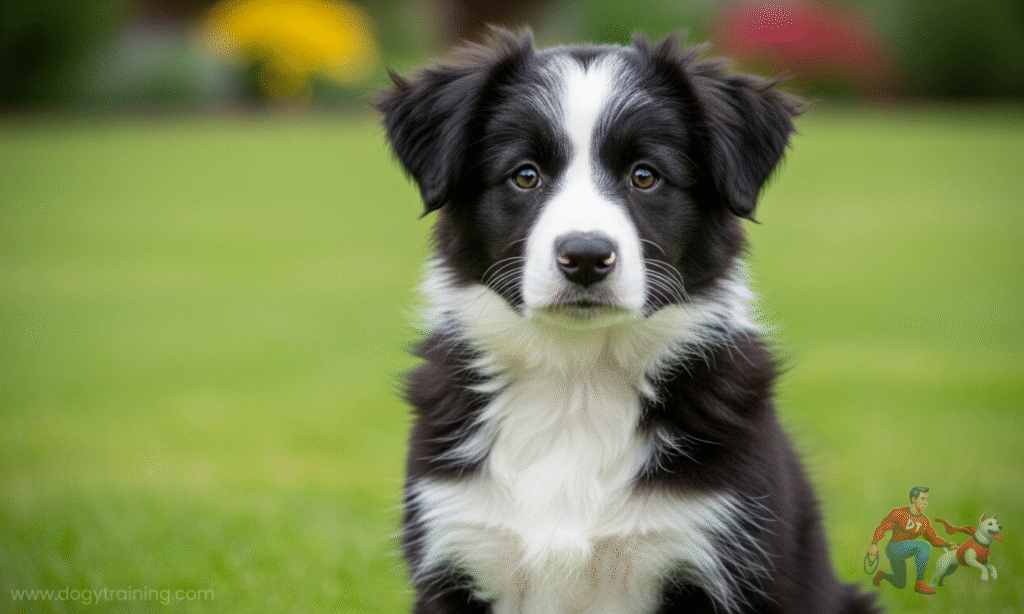
Border Collies were bred for herding tasks that require fast decision-making and strong focus. Their intelligence makes them excellent learners, but it also means they need steady routines and mental engagement. Without guidance, a puppy may develop behaviors like nipping, excessive herding, overexcitement, or difficulty settling.
A successful training plan for this breed includes clear communication, predictable structure, mental challenges, and age-appropriate physical activity. When these elements work together, the puppy learns to behave calmly and respond reliably in different environments.
Essential Tools and Training Principles
Using the right tools and applying consistent training methods makes learning easier for both the puppy and the owner. The aim is to create clarity, reinforcement, and safe practice in every session.
Useful Training Tools
The following tools support safe handling, clear communication, and effective practice:
- Flat collar used for basic identification and gentle guidance
- Front-clip harness to improve early leash manners without causing pressure
- Long line for safe recall training while giving the puppy controlled freedom
- Clicker or verbal marker to reinforce the exact moment the puppy performs the correct behavior
- High-value treats and a favorite toy keep training exciting and motivating
Useful Training Principles
Border Collie puppies learn best when training follows simple, predictable patterns:
- Short sessions match their developing attention span
- Immediate rewards help the puppy understand successful behaviors
- Clear communication prevents confusion during early learning
- Gradual difficulty increases build confidence and reduces frustration
- Practice in calm and slightly distracting areas to prepare the puppy for real-world environments
Step-by-Step Training Roadmap from 8 Weeks to 12 Months
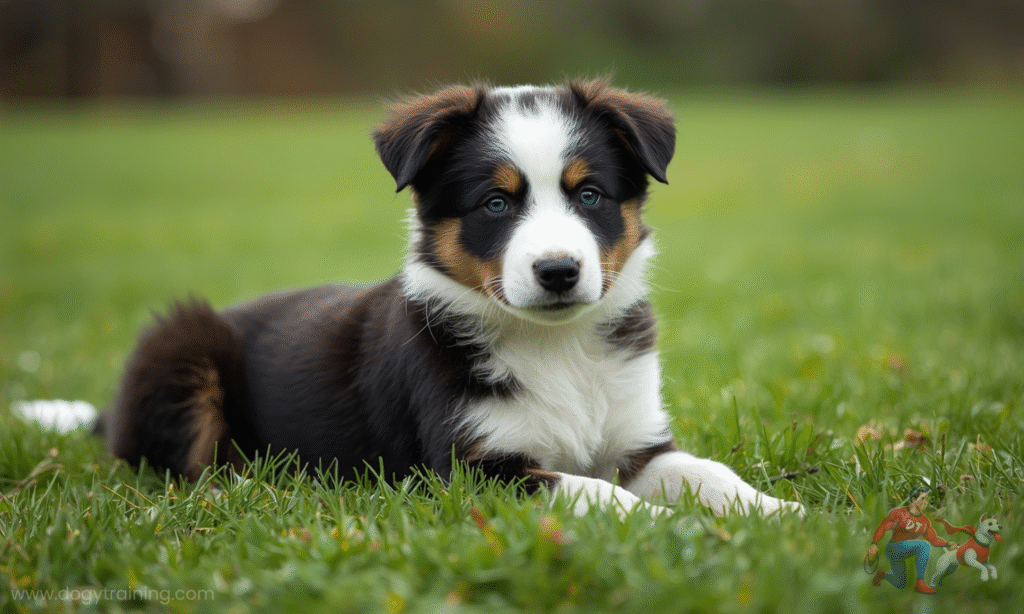
This roadmap outlines how your Border Collie puppy can develop essential skills during its first year. Each stage focuses on age-appropriate activities that support steady learning without overwhelming the puppy.
Weeks 8 to 12: Foundation and Early Socialization
This early stage forms the base of all future learning. Puppies begin recognizing cues, adapting to routines, and exploring their environment. Gentle structure helps them feel secure and ready to learn.
Goals
Teach name response and simple cues such as sit and down. Begin positive handling and introduce safe social experiences to build confidence. Start establishing calm behavior during everyday moments.
Training Focus
Keep sessions short and engaging. Use simple indoor recall with short distances. Guide the puppy into sit and down using gentle luring and reward promptly. Continue crate training and solidify potty routines through consistency.
Socialization
Introduce the puppy to calm individuals, household noises, and different textures. Use controlled exposure with vaccinated dogs instead of busy areas. Keep each experience brief to prevent overstimulation.
Weeks 12 to 16: Building Basic Manners
As the puppy becomes more confident, it can handle slightly more complex tasks. This is a key period for shaping good habits.
Goals
Improve focus during minor distractions. Begin loose leash walking. Strengthen recall in quiet outdoor spaces. Continue positive socialization that supports future confidence.
Training Focus
Increase session lengths gradually as attention improves. Introduce short heel segments and early leave it exercises using simple objects. Reinforce recall both indoors and in fenced outdoor areas.
Exercise
Provide age-appropriate walks and simple problem-solving games. Alternate physical and mental activities to maintain balance and prevent overstimulation. Keep routines structured to guide the puppy toward calm, purposeful behavior.
Months 4 to 6: Strengthening Impulse Control
Energy levels increase during this phase, and curiosity becomes stronger. Training now focuses on teaching calm responses and consistent manners.
Goals
Build reliable recall around mild distractions. Strengthen settling skills. Teach calmness during greetings, play transitions, and exciting events. Improve general self-control.
Training Focus
Use a long line for outdoor recall practice. Introduce mat training to encourage calm resting on command. Reward quiet behavior and gradually add mild distractions. Strengthen loose leash walking by reinforcing attention to the handler.
Exercise
Offer structured walks, interactive play, and puzzle toys. Adjust total activity to match the puppy’s age, energy level, and daily routine. Balanced activity prevents hyperactivity and supports calm behavior.
Months 6 to 12: Proofing Skills and Introducing Low-Impact Activities
During this stage, the puppy begins forming adult habits. Proofing ensures behaviors remain consistent across different environments.
Goals
Build reliable recall in moderate distractions. Reinforce manners at home, like calm greetings and polite doorway behavior. Introduce low-impact agility-style activities that stimulate the mind without stressing growing joints.
Training Focus
Use two or three short training sessions daily. Practice sit and wait at the door, calm greetings, and distance recalls. Introduce tunnel walking, stepping over low bars, and basic targeting games to build coordination.
Sample Daily Routine for a 12 to 16 Week Puppy

A predictable routine supports learning, reduces stress, and helps the puppy understand daily expectations. Balanced structure creates a healthy mix of play, rest, training, and calm time.
Morning
Start with a potty break or short walk. Follow with a brief training session focusing on name attention and simple cues. Morning training promotes early focus and helps establish a positive pattern for the rest of the day.
Mid Morning
Provide a gentle enrichment activity such as a food puzzle or scent search. These tasks build independence and encourage calm problem-solving.
Afternoon
Offer interactive play to release energy and strengthen bonding. Follow this with a short leash training session when the puppy is more receptive. This helps develop early walking manners.
Evening
Shift toward calmer routines. Use light grooming practice to reinforce comfortable handling. Encourage settling training to help the puppy relax before bedtime.
Throughout the Day
Include regular rest periods to prevent overstimulation. Young puppies need frequent naps to process learning and maintain good behavior.
Teaching Calmness and Settling
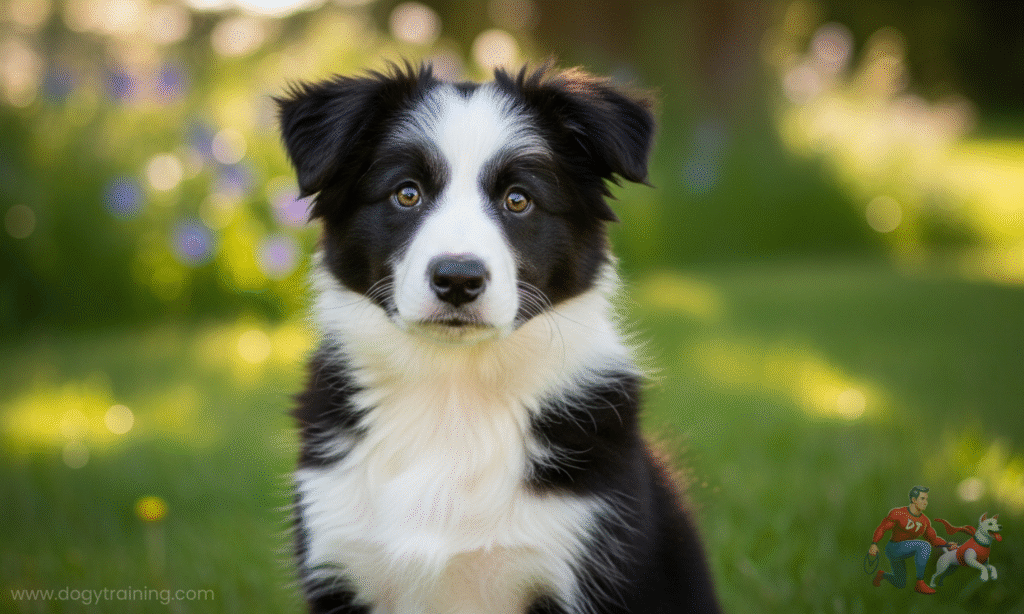
A good settle cue helps manage excitement and supports polite household behavior. Begin by placing a mat in a quiet location. Guide the puppy into a down position and reward calmness. Add short periods of stillness before offering the reward. Once the puppy understands the behavior, introduce a verbal cue and gradually practice in areas with mild distractions.
Reliable Recall Training
A strong recall is essential for safety and confidence. Begin indoors where distractions are minimal. Say the puppy’s name and reward when it turns toward you. Add distance gradually before moving outdoors with a long line. Practice near mild distractions and reward generously. Play simple chase-and-return games to build enthusiasm for quick responses.
Socialization and Health Considerations
Early socialization is important, but safety comes first. Use controlled environments where other dogs are vaccinated. Avoid high-traffic dog areas until the vaccination schedule is complete. Positive exposure to a variety of sounds, surfaces, and environments helps build lasting confidence.
Quick 12 Week Checklist
This checklist outlines the core skills your puppy should practice during the first three months. Each stage introduces simple foundations that support long-term behavior.
Weeks 1 to 4
Practice name attention, simple cues, and safe social interactions. Maintain consistent crate and potty routines.
Weeks 5 to 8
Strengthen recall in quiet spaces, begin leash manners, and introduce leave it.
Weeks 9 to 12
Increase recall distance using a long line, develop longer settle periods, and introduce gentle agility-style games.
Progress Tracking and Success Indicators
A puppy should respond to its name consistently in calm settings before practicing around distractions. A reliable indoor recall should be established before increasing distance outdoors. A stable sit should last around one minute before adding noise or movement distractions. Monitoring these milestones helps adjust the training plan as needed.
When to Seek Professional Help
Seek professional support if progress slows for several weeks or if the puppy shows signs of fear or aggression. Certified trainers provide guidance for complex behaviors and tailor methods to match your puppy’s needs. Group classes support socialization, while sports clubs help owners explore activities like agility.
Conclusion
Border Collie puppies learn best with structured routines, short training sessions, and gradual difficulty increases. This guide provides clear steps for socialization, recall training, leash manners, impulse control, and addressing common problems such as nipping and overexcitement.
By following these age-based activities and consistent methods, owners can build strong manners, confidence, and reliable obedience. With steady practice, your puppy will grow into a responsive and well-trained Border Collie that fits comfortably into daily life.
Frequently Asked Questions
They learn quickly when given clear structure and consistent routines. Their intelligence requires steady guidance to prevent unwanted habits.
Training can start the moment the puppy arrives home. Short, positive sessions build early communication and confidence.
Use short play sessions and age-appropriate walks. Combine physical activity with mental games to avoid overstimulation.
Guide the puppy to a mat and reward calm resting. Increase duration gradually and add mild distractions over time.
