

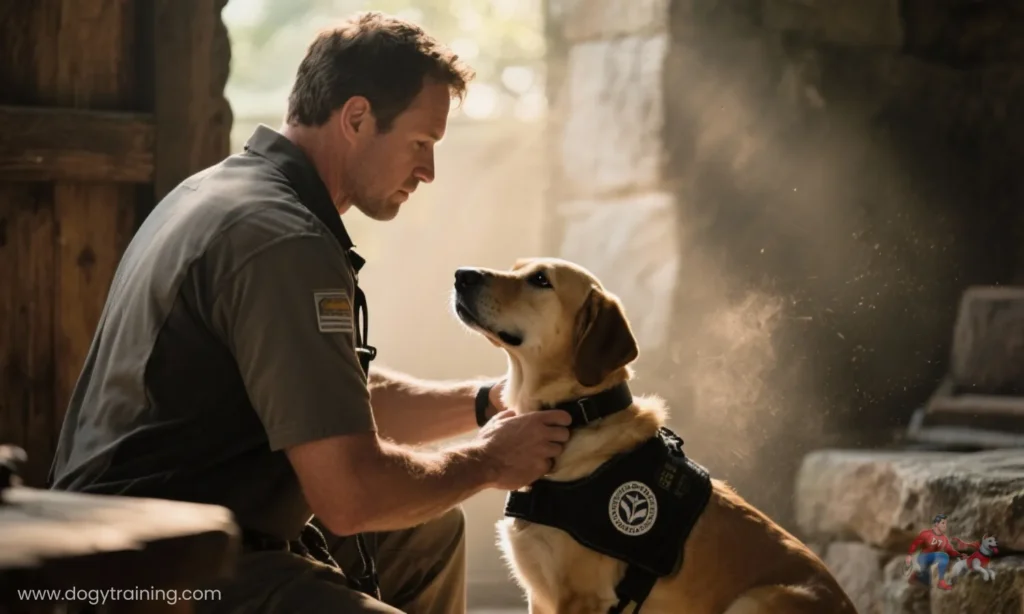

Many people dream of working with dogs in a way that truly makes a difference in their lives. Training service dogs is one of the most meaningful paths because these dogs support people who need daily assistance.
This career requires patience, calm communication, and a strong understanding of how dogs learn, even when working with a reactive dog that needs confidence-building before advanced tasks.
This guide will help you understand how to become a service dog trainer and build a strong future in this field.
make them shorter
Key takeaways
- Service dog trainers need calm handling and strong behavior skills, including Reactive Dog understanding.
- A career begins with basic obedience and puppy training before task work.
- The average starting salary is about $40,000.
- Certifications increase trust and professional credibility.
- Service dog schools provide structured, hands-on learning.
- Practice, volunteering, and real experience shape the path to becoming a service dog trainer.
Required Skills to Become a Service Dog Trainer
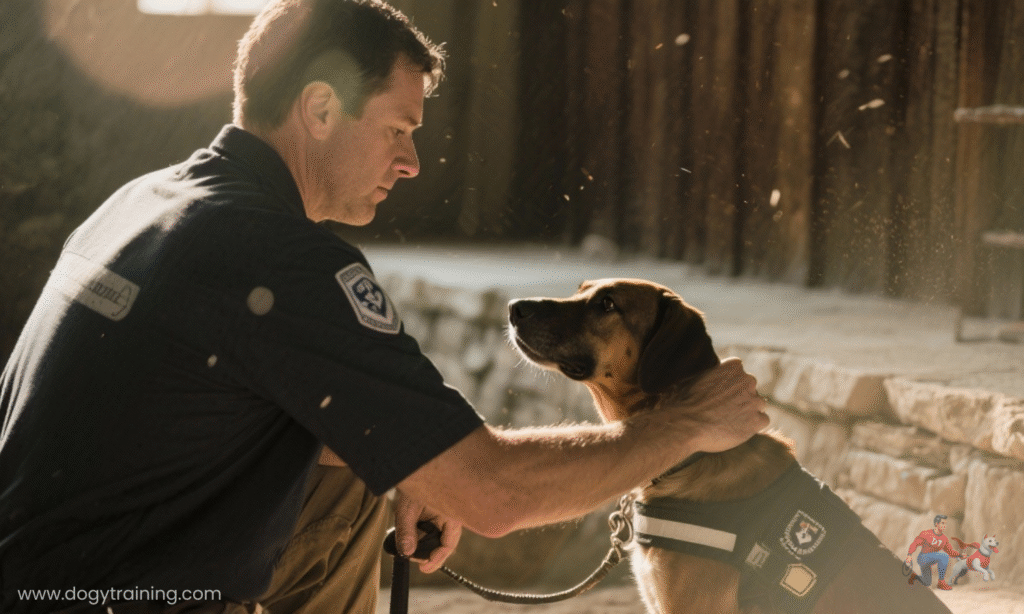
Starting inside a professional service dog school gives beginners a clear and organised path to grow as trainers.
Each stage teaches hands-on skills in dog care, behaviour, stress control, task training, and client communication. Early foundations like puppy training also play a key role, helping new trainers understand how young dogs learn and develop good habits.
The journey takes a few years, but every level builds confidence and prepares you for real training work.
This pathway helps you understand how service dogs learn, live, and support people in everyday life.
Kennel Technician (KT)
The Kennel Technician role is the first step for many people entering the field.
This position lasts six to twelve months and focuses on basic dog care and behaviour understanding. Kennel Techs work to reduce stress, offer enrichment, and learn how dogs communicate through their actions and posture. It also teaches organisation, multitasking, and clear communication.
Before moving up, staff must complete a written form, attend an interview, and pass a handling test.
Training Assistant (TA)
A Training Assistant works partly in kennel care and partly in early training sessions. This role lasts at least three months.
Each day includes several hours of dog care and a shorter training period with support from experienced staff. Here, assistants learn basic obedience, shaping skills, and early teaching steps. They also practice using healthy treats for dog training to reward calm behaviour and build positive habits. To move forward, they must pass a written exam that covers handling, stress management, and behaviour troubleshooting.
Apprentice Trainer Level 1
Apprentice Trainer 1 is the first real step into training your own assigned dogs. This stage lasts about six months.
Trainers learn simple obedience, early task work, and basic American Sign Language for client communication. It also teaches correct assistance dog training methods. Before moving up, they must complete all curriculum tasks and pass a skills test.
Apprentice Trainer Level 2
Apprentice Trainer 2 expands on all previous skills and lasts around eighteen months. Trainers improve their ASL, work on advanced obedience, and learn deeper task training.
They also learn how to evaluate applicants who may receive service dogs. This stage includes meeting clients, joining placements, and helping with follow-ups. Moving forward requires completing the checklist tasks and passing another exam.
Apprentice Trainer Level 3
Apprentice Trainer 3 is the final stage before full certification and lasts about one year. Trainers work more independently, take on complex tasks, and prepare dogs for public environments.
They join multiple placements and follow-up visits. This stage develops confidence in handling dogs and supporting future clients. To finish the program, trainers must pass a final exam and complete all checklist requirements.
What a Service Dog Trainer Actually Does
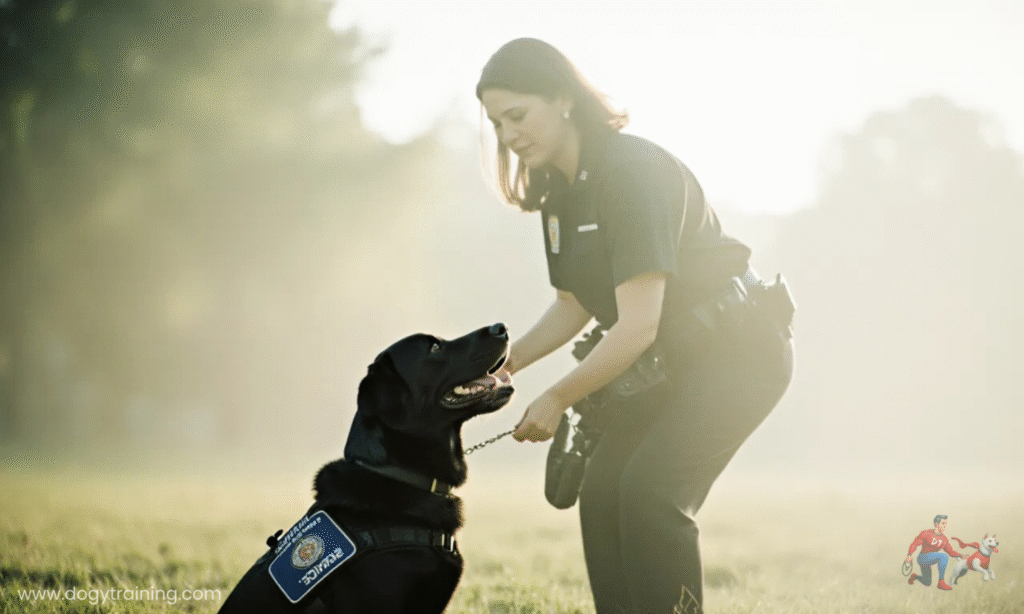
A service dog trainer teaches dogs to perform tasks that help people live safer and more independent lives. These tasks can include mobility help, medical alerts, sound response, and many other forms of support.
Trainers must also understand behavior, dog psychology, safety rules, disability needs, and proper public manners. This includes shaping early habits such as potty training, which builds the foundation for calm and reliable behavior.
This work requires patience, kindness, and consistent practice. The trainer’s goal is to prepare a dog to work calmly and correctly in busy public places where distractions are common.
Training Programs and Schooling Options

Training programs help you learn step-by-step, whether you choose in-person classes, online courses, or guided apprenticeships.
Most trainers begin with basic obedience programs and then move into service-dog–focused learning. These programs teach handling, task training, behavior understanding, and real-world practice. With the right schooling path, you build strong skills before working with clients.
Common Learning Paths
- Programs that offer supervised training sessions
- Courses that include quizzes and progress checks
- Internships that provide hands-on experience with trained staff
- Workshops that focus on specific service dog tasks
- Volunteer roles that help you understand different dog temperaments
Essential Certifications for Service Dog Trainers
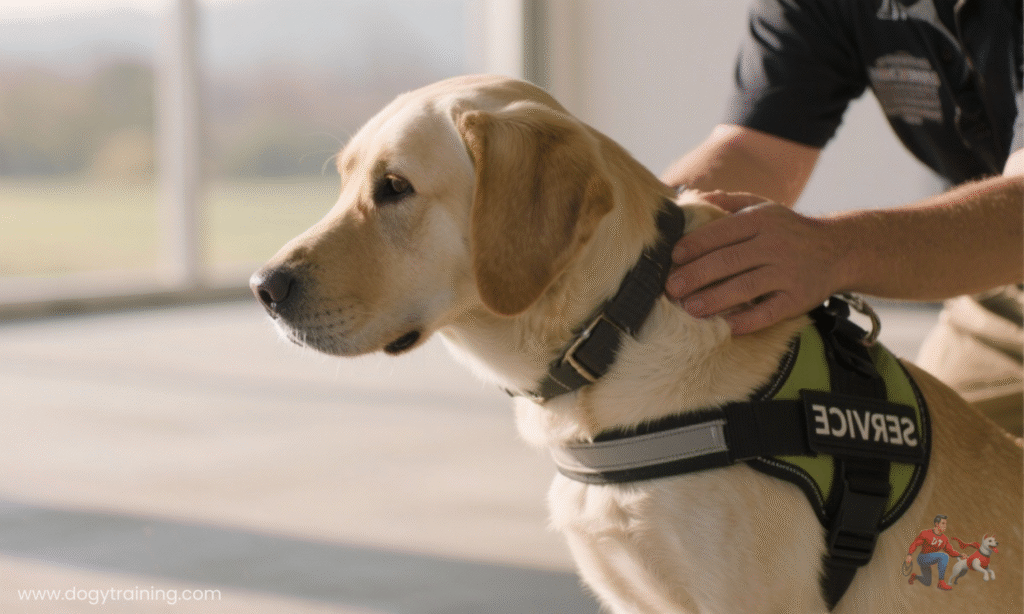
Certifications are not required by law, but they make a big difference in how people see your skills. When you have trusted certifications, clients feel more confident that their service dog is being trained safely and correctly. These certificates also prove that you understand proper training standards, animal behavior, and disability-related tasks.
Many respected programs test your skills through real-life training situations. You may need to show how you train obedience, guide a dog through distractions, or teach task work for different disabilities. Modern tools like training apps can also support your learning and help you practice techniques more effectively. Passing these evaluations proves that you can handle real challenges, not just theory.
You can earn certifications in areas like:
- Basic and advanced obedience
- Behavior understanding and correction
- Task training for mobility assistance, psychiatric help, medical alerts, and more
- Public access training standards
- Service dog ethics and safety guidelines
Important Laws Every Trainer Must Understand
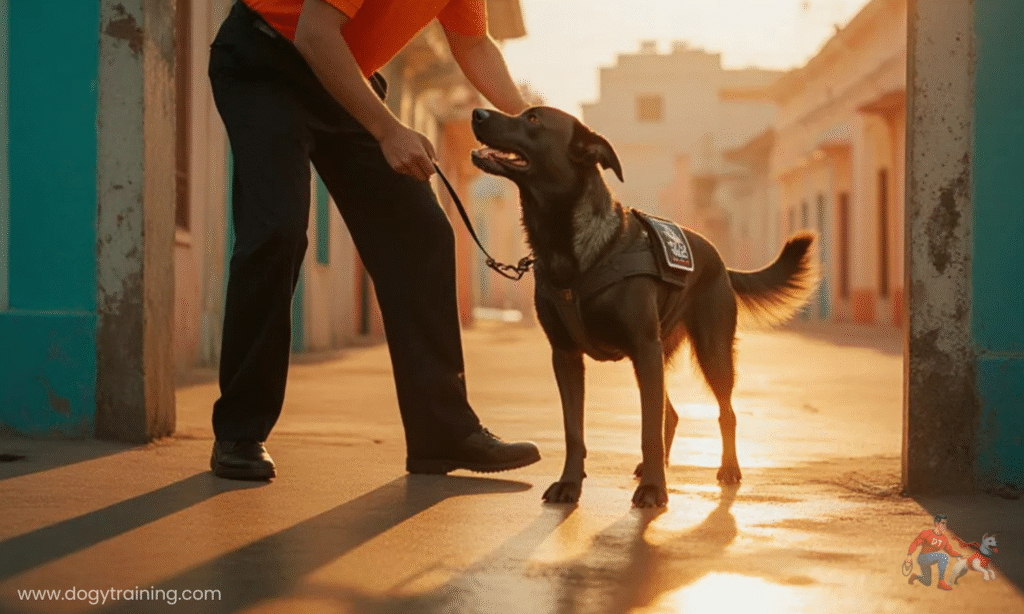
Service dog trainers must understand the laws that protect service dog teams. These rules explain what qualifies as a service animal, what tasks it must perform, and how it should behave in public.
Trainers also need to know what questions public staff are allowed to ask, and how access rules differ in stores, hotels, housing, and transportation. Knowing these laws helps you guide clients clearly and avoid misunderstandings.
Key Legal Details Trainers Should Keep in Mind
- No place can demand “papers” or IDs for a service dog
- Some regions fine people who use fake service dog gear
- Airlines may require advance travel forms
- Housing providers cannot charge extra fees for service dogs
- Trainers should help clients keep task training records
Specializations You Can Choose in This Career
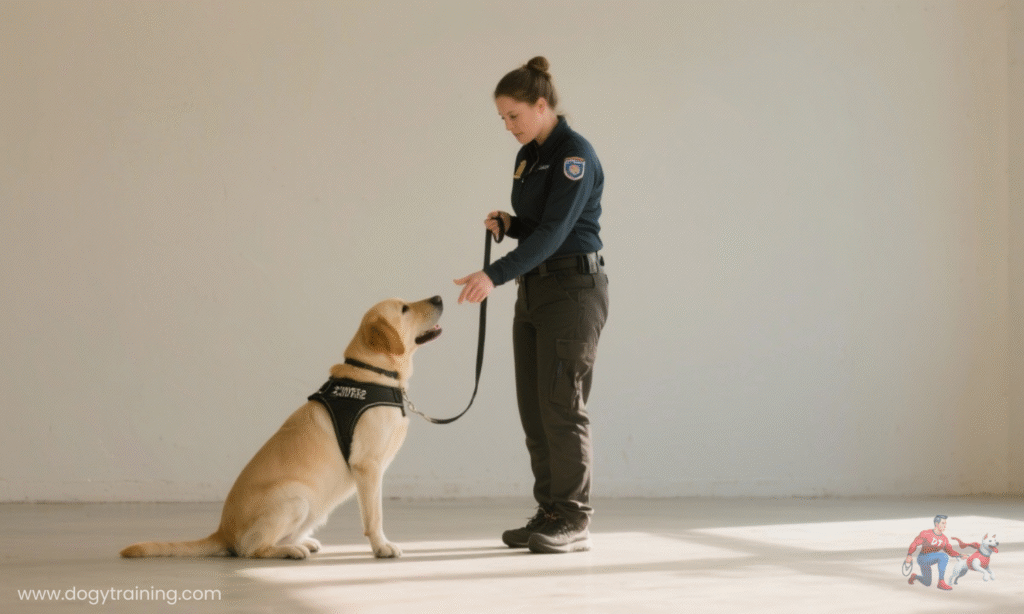
Service dog trainers can grow their skills by choosing a specialty that fits the type of support they want to offer. Each area focuses on different tasks and training styles, giving trainers a clear direction as they advance. Below are the most common and meaningful specializations you can explore further.
- Mobility Assistance Dogs
Mobility dogs support people who have trouble with movement or physical tasks. They learn to help with stability, everyday actions, and different forms of assistance based on the person’s needs. This specialty requires patience, gentle handling, and precise teaching methods.
- Guide Dogs for the Visually Impaired
Guide dogs help people with low or no vision navigate the world safely. They learn to avoid obstacles, lead with confidence, and respond to changing environments. Trainers in this area must stay calm, focused, and consistent.
- Hearing Dogs
Hearing dogs alert deaf or hard-of-hearing individuals to important sounds. They learn to signal noise sources and guide their handler toward them. This specialty blends sound training with fast response work.
- Medical Alert Dogs
Medical alert dogs are trained to detect changes in a person’s body, such as blood sugar shifts or the onset of a medical episode. This field requires extremely accurate training and close teamwork with clients.
- Psychiatric Service Dogs
Psychiatric service dogs help people with mental health conditions by offering calming behaviors and interruption skills. They learn tasks that support emotional stability and daily function. Trainers in this field must be patient and supportive.
Daily Work Life as a Service Dog Trainer
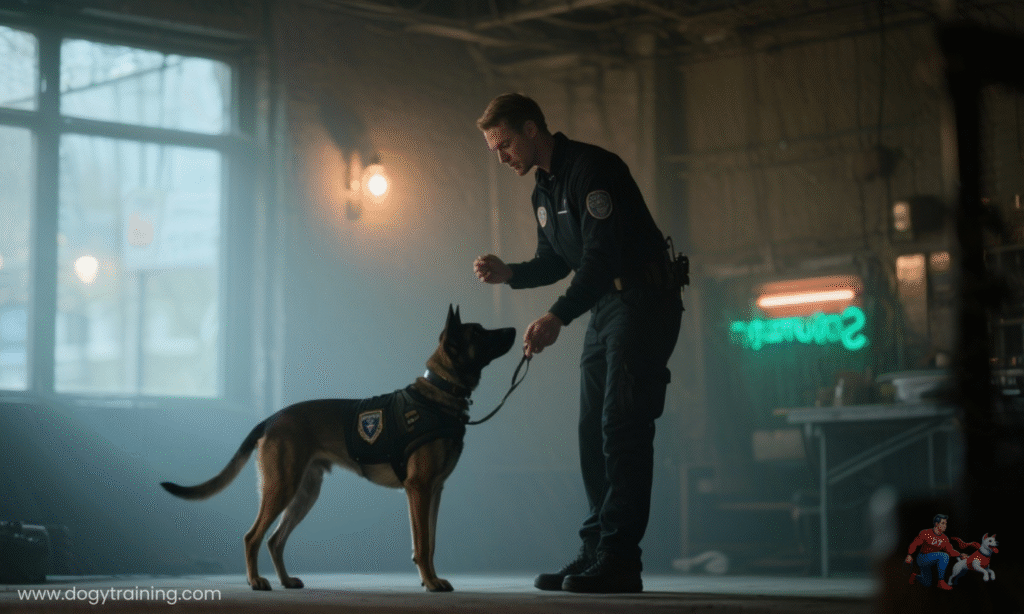
Daily work includes dog training, care routines, client communication, and progress tracking.
Trainers must keep detailed notes, adjust training plans, and support clients during placements. You may also handle follow-up visits, public-access testing, and continued support after the dog is placed.
Daily tasks include:
- Obedience training
- Task teaching
- Public access outings
- Care routines
- Client meetings
- Progress documentation
Salary and Career Growth
Service dog trainers can expect different pay depending on experience, where they work, and the training they offer.
The U.S. Bureau of Labor Statistics shows the median annual wage for animal trainers is around $38,750, with higher percentiles reaching over $70,000.
Recent industry surveys and job sites place many service dog trainers at $40,000 a year or about $19 an hour, while experienced private trainers and senior staff can earn noticeably more.
Trainers who run their own programs, consult, or add specialty services often grow their income and move into leadership roles, program management, placement coordination, or business ownership.
Conclusion
Becoming a service dog trainer is a meaningful career that blends patience, skill, and compassion. From learning basic dog care to mastering advanced task training, every stage builds confidence and prepares you for real work with individuals who rely on trained support.
With the right education, hands-on practice, and commitment to ethical training, you can grow into a trusted professional in this field. Whether you work for an organization or run your own program, this career offers steady growth, purpose, and lasting impact.
FAQs
It usually takes one to four years, depending on the training school, certifications, and the level you start at. Some programs offer fast tracks, while others require longer hands-on experience.
No, a degree is not required. Most trainers learn through professional programs, apprenticeships, or hands-on training inside service dog organizations.
Yes, many programs allow complete beginners to start in entry-level roles like kennel care. Skills grow step by step through guided learning and real practice.
Patience, clear communication, consistency, and understanding of dog behavior are key. Trainers must also stay calm while teaching dogs and supporting clients.
Yes, many trainers start private programs or offer one-on-one services. Others choose stable roles in nonprofits, training schools, or therapy centers.
